Introduction
Dysphagia, or difficulty ingesting, is a vital issue encountered by several people, specifically the elderly and those with neurological conditions. This problem can cause significant difficulties, including ambition pneumonia and lack of nutrition, which emphasizes the demand for effective dysphagia administration. Because of this, dysphagia training for carers has become a vital component in making certain that caregivers are geared up with the expertise and skills needed to support people facing this obstacle. In this short article, we will certainly discover different aspects of dysphagia training, its relevance, finest techniques in interaction techniques, and much more.
Understanding Dysphagia: A Quick Overview
What is Dysphagia?
Dysphagia refers to difficulties in ingesting that can take place at different stages of the swallowing procedure. The reasons can vary from neurological disorders like stroke or Parkinson's illness to structural problems in the throat or esophagus.
Types of Dysphagia
Oropharyngeal Dysphagia: Difficulty starting swallowing. Esophageal Dysphagia: Experience of food being stuck in the esophagus.Why is Dysphagia Important?
Understanding dysphagia is crucial for caretakers as it straight influences a person's quality of life. Appropriate administration can assist protect against significant health risks connected with lack of nutrition and dehydration.
The Significance of Dysphagia Training for Carers
Role of Carers in Taking Care Of Dysphagia
Caregivers typically play an essential function in monitoring and managing dysphagia among patients. This consists of dish prep work, supervision throughout eating, and identifying indicators of distress.
Need for Specialized Training
Without appropriate training, caregivers may not identify the signs of dysphagia or execute safe feeding approaches. Reliable dysphagia care training enhances their competency and self-confidence in dealing with such situations.

From Theory to Technique: Engaging Dysphagia Training for Carers
Engaging dysphagia training programs link the void in between academic expertise and real-life application. These programs are developed to provide dysphagia training for care staff practical abilities while equipping caregivers with evidence-based methods to take care of dysphagic people effectively.
Components of an Efficient Dysphagia Training Course
Curriculum Development
The curriculum must cover essential topics such as:
- Anatomy and physiology of swallowing Assessment methods for dysphagia Safe feeding practices Emergency action procedures
Interactive Learning Methods
Utilizing interactive techniques like role-playing situations or simulation exercises assists reinforce discovering by permitting individuals to practice their abilities in a secure environment.
Incorporating Innovation into Training
Online modules and video clip tutorials can reinforce typical teaching methods by using flexible knowing choices that deal with various understanding styles.
Essential Skills Covered in Dysphagia Care Training
Recognizing Signs of Dysphagia
Training should concentrate on identifying usual signs such as coughing during dishes or issues of pain while swallowing.
Safe Feeding Techniques
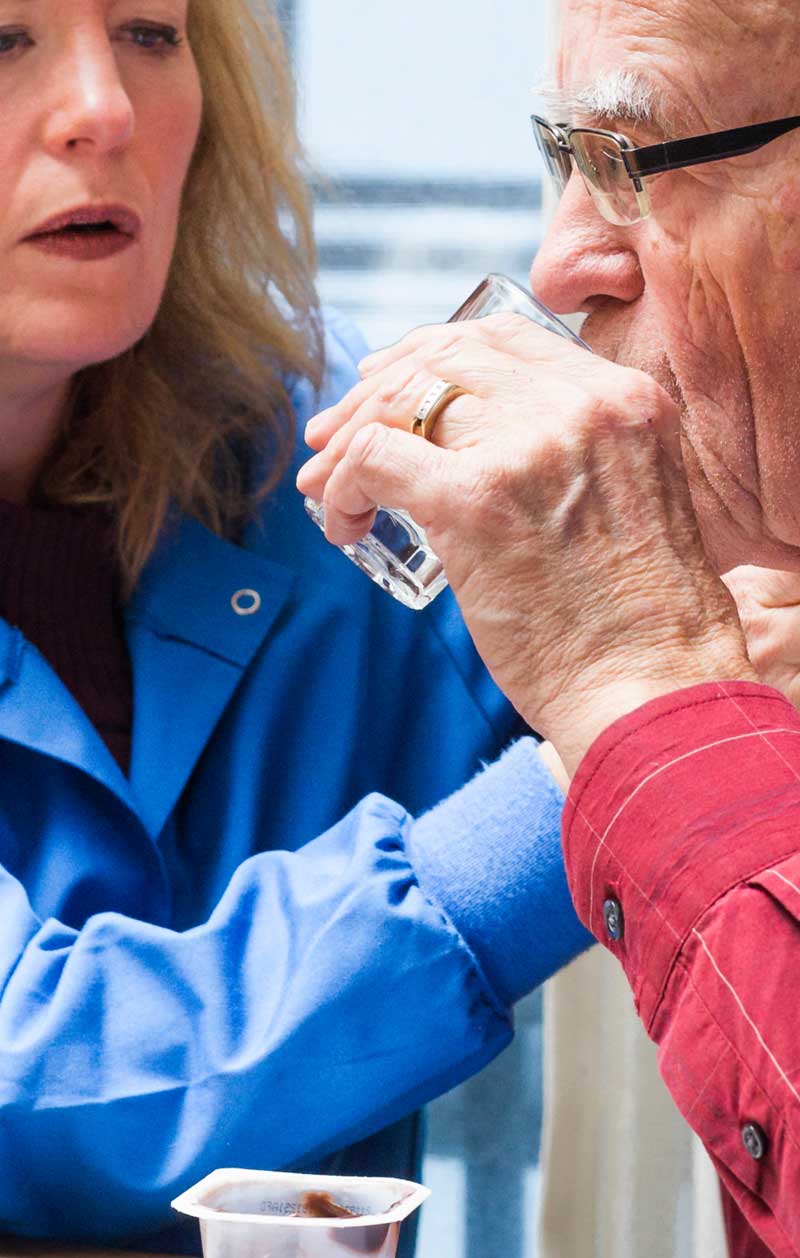
Caregivers learn exactly how to customize food appearances and implement proper placing strategies that decrease choking risks.

Dysphagia Training Training courses Available Today
There are various courses readily available today focused on enhancing skills relevant to dysphagic treatment:
Online training courses focusing on theory. Hands-on workshops emphasizing practical applications. Specialized components made for registered nurses involved in straight client care.Dysphagia Training for Nurses: A Distinct Perspective
Nurses play an important part in handling clients with dysphagia. Specialized training can improve their capability to assess dangers and execute treatment strategies effectively.
Best Practices in Delivering Engaging Dysphagia Training
Utilizing Real-Life Scenarios
Presenting case studies from real-life experiences makes it possible for participants to discuss difficulties they could face when looking after individuals with dysphasia.
Encouraging Peer Communication and Feedback
Creating a collaborative setting allows learners to share knowledge and experiences while fostering a helpful network amongst carers.
Measuring the Effect of Involvement Methods in Training
Assessment Devices for Reviewing Effectiveness
Implementing pre-and post-training evaluations can determine expertise gains efficiently while showing locations requiring improvement.
Long-term Follow-up Programs
Establishing follow-up sessions ensures that caregivers proceed exercising their learned skills within their functions over time.
Challenges Dealt with Throughout Dysphasia Treatment Training Implementation
While engaging training is vital, numerous challenges might occur:
Resistance from team that regard training as unnecessary. Time restraints affecting engagement rates.Addressing these issues via effective interaction approaches is critical for successful implementation.
FAQs about Engaging Dysphasia Educating for Carers
What is the period of a typical dysphoria training course?- Most training courses vary from half-day workshops to full-week programs relying on depth.
- Caregivers, nursing personnel, member of the family associated with taking care of people with dysplasia should participate in these trainings.
- Yes! On-line programs allow flexibility but ought to be supplemented with sensible hands-on experiences.
- Symptoms include coughing during meals, extreme drooling, or trouble chewing/swallowing.
- It's recommended every 1-2 years as a result of evolving ideal techniques in healthcare.
- Many training courses supply certifications which can add worth professionally however check individual course offerings.
Concluding Thoughts on Involving Dysphaia Training
In conclusion, efficient engagement with well-structured dysphaia training programs encourages carers with important abilities required for providing high quality support. As awareness continues growing around special challenges posed by this condition-- spending sources into extensive education ends up being paramount in the direction of improving client outcomes-- making certain those impacted obtain ideal care customized especially according their demands whilst enhancing total health and wellbeing across varied populaces globally!
This long-form write-up offers understandings right into engaging dysaphgia training methods customized especially towards carers highlighting its value together with resolving usual inquiries bordering such initiatives!